

Introduction to Laser Power Meter Standards
In the realm of laser technology, laser power meters are crucial tools for accurate measurement and control. These devices play a pivotal role in ensuring the reliability and safety of laser applications across various industries. To achieve precision and maintain safety, there are specific industry standards that manufacturers, factories, and suppliers should be aware of. Understanding these standards is essential for selecting the right equipment and ensuring compliance with safety and performance requirements.
Understanding Laser Safety Classifications
Laser Classifications and Their Implications
Lasers are categorized into different classes, ranging from Class 1 to Class 4, based on their potential to cause harm. Class 4 lasers, for instance, are the most hazardous and require stringent safety measures. These classifications are defined by international standards like IEC 60825-1, which provide a framework for evaluating laser hazards and implementing control measures. Manufacturers, factories, and suppliers must adhere to these classifications to ensure safe usage.
Key Standards Governing Laser Power Meters
Essential Standards and Regulations
Several global standards govern the design, performance, and safety of laser power meters. Key among them is the ISO 11554 standard, which outlines the test methods for laser power and energy meters. Another crucial standard is the ANSI Z136 series, focusing on laser safety. Compliance with these standards ensures that laser power meters provide accurate measurements and operate safely within specified limits.
Importance of Calibration Standards
Ensuring Accuracy and Reliability
Calibration is vital for the accuracy and reliability of laser power meters. Regular calibration ensures that the devices maintain their measurement precision over time. Calibration standards, such as those provided by NIST (National Institute of Standards and Technology), establish benchmarks for verifying the performance of laser power meters. Manufacturers and suppliers must ensure their products adhere to these calibration standards to offer trustworthy results.
Essential Features of Laser Power Meters
Key Characteristics and Specifications
Laser power meters come with various features designed to cater to specific applications. Key specifications include the measurement range, wavelength range, and resolution. Advanced laser power meters can measure power outputs up to 50,000 W and accommodate wavelengths from 180 nm to 1 mm. These features are crucial for applications that demand high precision, such as in laboratories and manufacturing environments.
Advanced Features in Modern Laser Power Meters
Innovations and Technological Advancements
Modern laser power meters have integrated advanced features that enhance their functionality and user experience. Features such as data logging, touchscreen interfaces, and wireless connectivity allow for improved data analysis and ease of use. These innovations enable manufacturers and suppliers to provide more efficient and adaptable solutions, catering to the evolving needs of the industry.
Safety Considerations in High-Power Lasers
Mitigating Risks and Ensuring Compliance
High-power lasers, especially those in Class 4, pose significant risks to operators. Safety standards require the implementation of measures to control laser exposure, such as using beam enclosures and personal protective equipment. Manufacturers and factories must design their laser systems to comply with these safety standards, ensuring that their operations do not compromise worker safety.
Selecting the Right Laser Power Meter
Factors to Consider for Optimal Choice
Choosing the right laser power meter involves considering several factors, including the measurement range, wavelength capabilities, and specific application requirements. It's essential to assess the compatibility of the power meter with the laser systems in use. Suppliers should provide comprehensive guidance to ensure customers select the most suitable device for their needs, guaranteeing accurate and reliable measurements.
Industry Applications of Laser Power Meters
Diverse Uses Across Sectors
Laser power meters find applications in various industries, including medical, telecommunications, and manufacturing. In laboratories, they play a critical role in research and development, helping scientists and engineers ensure the accuracy of laser-based experiments. In manufacturing, these devices are used for quality control and to optimize laser machining processes, making them indispensable tools across multiple sectors.
Maintenance and Best Practices
Prolonging Device Life and Performance
Regular maintenance is crucial to prolong the lifespan and maintain the accuracy of laser power meters. This includes routine cleaning, periodic calibration, and adhering to the manufacturer's guidelines. Factories and suppliers must emphasize the importance of these practices to their clients, ensuring that the devices continue to deliver precise measurements over their operational life.
YIXIST Provide Solutions
YIXIST specializes in providing comprehensive solutions for laser power measurement needs. As a reputable manufacturer and supplier, YIXIST offers a range of high-quality laser power meters that comply with industry standards, ensuring both accuracy and safety. Their products feature advanced technological integrations, such as wireless connectivity and data logging, tailored to meet the demands of modern laser applications. Choosing YIXIST guarantees reliable support and superior performance, empowering clients to achieve precision in every measurement task.
User hot search: laser source power meter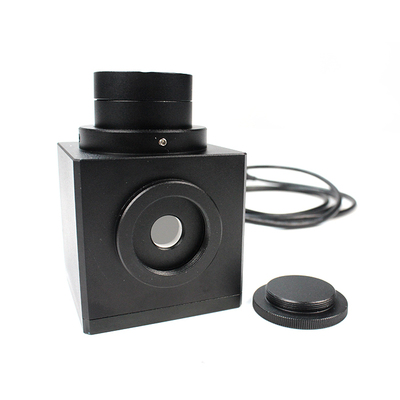
Post time: 2025-10-25 22:08:09