

Implementing Rigorous Quality Control Protocols
Standard Operating Procedures
Ensuring consistent product quality starts with establishing robust Standard Operating Procedures (SOPs) that define the specific steps required at each stage of production. These SOPs should be meticulously followed to guarantee the beam profilers meet the desired specifications and quality benchmarks. Regular audits and reviews of these procedures are essential to identify areas for improvements or updates.
Quality Assurance Checks
Instituting multiple quality assurance checks throughout the production cycle is vital. This could involve inspecting components as they arrive from suppliers, conducting in-process inspections, and performing final reviews before products are shipped. Each beam profiler should undergo rigorous testing to ensure it meets high-quality standards, thus reducing the likelihood of defects and returns.
Utilizing Advanced Technology in Production
Automation and Precision Tools
Incorporating advanced automation and precision tools into the manufacturing process can significantly enhance product consistency and quality. Technologies such as CNC machines, laser measurement systems, and robotics can offer accuracy within microns, ensuring each beam profiler meets its exact design specifications.
Software Integration
Integrating cutting-edge software solutions for design, production management, and quality assessment can streamline operations and reduce human error. These software platforms can track production metrics in real-time, allowing for quick adjustments and maintaining high-quality output across all batches.
Ensuring Supplier Quality and Reliability
Supplier Vetting Process
The quality of beam profilers is heavily dependent on the components received from suppliers. A thorough supplier vetting process is essential to ensure that only reliable vendors who adhere to stringent quality standards are selected. This involves evaluating suppliers' track records, conducting audits, and demanding sample products for quality checks.
Long-term Supplier Relationships
Building long-term relationships with suppliers can lead to better communication and quality improvements. By engaging in partnerships, rather than simple transactions, a beam profiler factory can co-develop processes and materials that lead to higher-quality custom products. This collaborative approach often leads to better OEM solutions.
Fostering a Culture of Continuous Improvement
Employee Engagement and Training
Engaging employees at all levels in quality initiatives encourages a culture of continuous improvement. Regular training sessions on the latest industry standards and quality techniques ensure that the workforce is equipped to deliver high-quality products consistently. Employees should be encouraged to propose ideas for process enhancements.
Performance Metrics and Feedback Loops
Implementing performance metrics and feedback loops allows factories to track progress and identify areas needing improvement. Key performance indicators might include production efficiency, defect rates, and customer satisfaction scores. Continuous monitoring and analysis of these metrics can drive quality enhancements.
Performing Comprehensive Product Testing and Validation
Environmental and Stress Testing
Beam profilers should undergo a series of environmental and stress tests to ensure they can withstand a range of operating conditions. Tests might include temperature fluctuations, vibration, and humidity tests. Passing these tests indicates a product's resilience and reliability, crucial aspects of high-quality manufacturing.
Calibration and Precision Testing
Precision in beam profiling is critical. Regular calibration tests should be performed to verify that products deliver accurate measurement results. Employing high-precision calibration tools can detect even minor deviations from standard specifications, ensuring only quality-compliant units reach the market.
Investing in Skilled Workforce and Training
Comprehensive Training Programs
Investing in a skilled workforce is essential for producing high-quality products. Comprehensive training programs focusing on technical skills, safety protocols, and quality assurance techniques are vital. Customized training plans should be developed to address the specific needs of each role within the factory.
Knowledge Sharing and Collaboration
Encouraging knowledge sharing and collaboration among employees can lead to innovative solutions and process improvements. Cross-departmental workshops and team-building activities promote a collective focus on quality, leading to the development of OEM products of superior quality.
Enhancing Communication Across Departments
Streamlined Information Flow
Effective communication between departments such as production, quality control, and logistics is crucial for maintaining product quality. A streamlined information flow ensures that issues are swiftly identified and resolved. Modern communication tools can facilitate real-time updates and collaboration.
Cross-Departmental Meetings
Regular cross-departmental meetings provide a platform for discussing quality challenges and progress. By fostering an environment of open communication and teamwork, a factory can ensure alignment on quality goals and improve overall product quality consistency.
Establishing Robust Customer Feedback Channels
Direct Customer Feedback
Direct feedback from customers provides invaluable insights into product performance and areas for improvement. Implementing customer feedback mechanisms such as surveys, focus groups, or direct interviews can guide quality improvement initiatives.
Leveraging Analytics for Insights
Data analytics can be leveraged to analyze customer feedback and identify trends or common issues. By systematically processing feedback, a beam profiler factory can tailor its quality control measures to address specific customer needs, enhancing the overall product custom experience.
Adhering to Industry Standards and Compliance
Meeting Regulatory Requirements
Compliance with industry regulations and standards is imperative for maintaining product quality and avoiding potential legal issues. Regularly reviewing compliance requirements and integrating these into SOPs ensures that production processes meet all necessary regulatory standards, fostering high-quality outcomes.
Continuous Certification and Audits
Obtaining and maintaining industry certifications, such as ISO standards, provides assurance that a factory meets international quality and safety benchmarks. Continuous certification and audit processes help in maintaining these standards, thus enhancing customer trust in the factory's high-quality output.
Implementing a Sustainable and Ethical Production Process
Reducing Environmental Impact
Environmental sustainability should be a core consideration in the production process. Implementing practices such as recycling waste materials, reducing energy consumption, and using eco-friendly materials contributes to a sustainable production cycle, aligning with modern quality practices.
Ensuring Ethical Labor Practices
Ethical labor practices are essential for maintaining a factory's reputation and ensuring the wellbeing of its workforce. Adhering to legal labor standards and promoting a fair work environment not only improves employee morale but also enhances overall product quality by motivating the workforce to commit to excellence.
YIXIST Provide Solutions
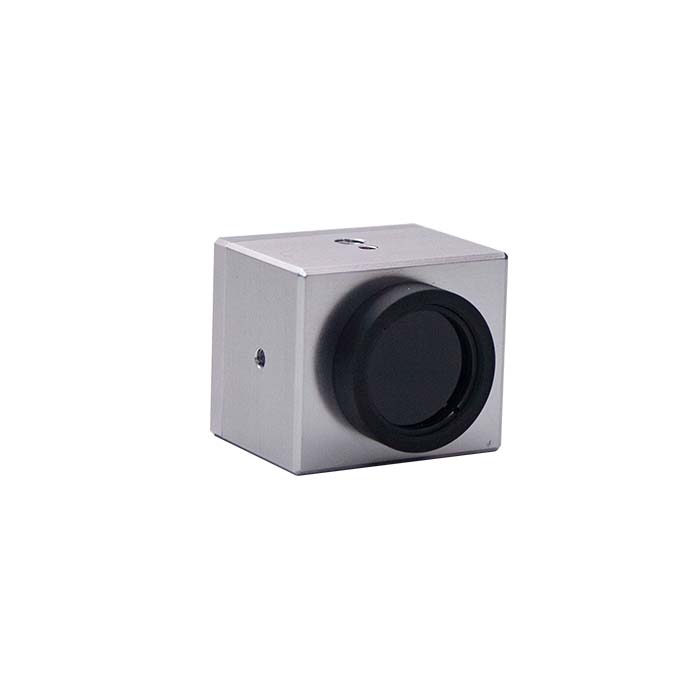
YIXIST offers comprehensive solutions to ensure the production of high-quality, custom beam profilers tailored to your specific needs. Our approach involves leveraging advanced technology, implementing stringent quality control protocols, and fostering collaboration across departments to deliver OEM products that meet your exact specifications. By partnering with YIXIST, you gain access to a skilled workforce and cutting-edge resources, all committed to delivering superior quality and reliability in every product. Trust YIXIST to meet your beam profiling demands with precision and excellence.
Post time: 2025-11-26 23:18:09