

Introduction to the Visible NIR Spectrum
The visible near-infrared (NIR) spectrum is a pivotal area of study within various scientific disciplines. Encompassing both the visible light that humans can perceive and the adjacent near-infrared region, this spectrum is vital for applications ranging from environmental monitoring to medical diagnostics. Understanding the visible NIR spectrum allows researchers and technologists to leverage its properties for innovative solutions across multiple fields, making it an essential component of modern spectroscopy. The utilization of vis nir spectroscopy has grown significantly, with advancements leading to custom vis NIR spectroscopy designed for specific industrial needs. High-quality vis NIR spectroscopy is now a staple in both research and applied sciences, offered by leading vis NIR spectroscopy manufacturers and factories . With the capability to provide detailed information about materials and environments, the NIR spectrum remains a cornerstone of technological advancement.
Electromagnetic Spectrum Overview
● Placement of Visible and NIR within the Spectrum
The electromagnetic spectrum is a continuous range of electromagnetic waves, from gamma rays to radio waves. Within this vast array, the visible and NIR regions hold distinct positions. Visible light, with wavelengths ranging approximately from 380 nm to 750 nm, bridges the ultraviolet and NIR regions. The near-infrared spectrum extends from about 750 nm to 2500 nm. This specific placement allows for a unique overlap where applications in vis NIR spectroscopy can target both routine and specialized tasks, enhancing data capture and analysis.
● Comparison with Other Spectrum Regions
When compared with other regions, the visible and NIR portions offer distinct advantages. Unlike ultraviolet and gamma rays, visible and NIR light are non-ionizing and safe for human exposure, making them ideal for medical and industrial applications. Techniques such as custom vis NIR spectroscopy are increasingly used to configure instruments that maximize measurement efficacy while minimizing risk. It's an attractive choice for manufacturers and suppliers looking to deliver precision without compromising safety.
Characteristics of Visible Light
● Wavelength Range and Human Perception
Visible light, the segment of the electromagnetic spectrum perceptible to the human eye, plays a crucial role in our daily lives. Encompassing wavelengths from roughly 380 nm to 750 nm, visible light is responsible for the spectrum of colors we see. The perception of these colors is due to the varying energy levels of photons within this range. Practical applications of these wavelengths are extensive, from everyday lighting to advanced high-quality vis NIR spectroscopy which requires precise calibration for optimal performance. Efficient utilization of this spectrum is a key focus for many vis NIR spectroscopy manufacturers .
● Applications in Daily Life and Technology
Visible light's utility spans diverse fields, including arts, communication, and safety. In technology, this range is essential for devices like screens and sensors. In scientific applications, visible light is used extensively in spectroscopy to analyze materials. This versatility has prompted a surge in OEM vis NIR spectroscopy , where tailored solutions meet specific consumer needs. The ability to interpret and utilize visible wavelengths effectively remains a vital skill in scientific research and technological development.
Near-Infrared Region Explained
● Definition and Wavelength Range
The near-infrared (NIR) region, spanning wavelengths from approximately 750 nm to 2500 nm, lies just beyond the visible range of light. This region is invisible to the human eye but offers vast potential for scientific exploration. As the demand for accurate and comprehensive data grows, so does the need for effective NIR applications. Companies specializing in vis NIR spectroscopy factory operations are crucial in meeting industrial demands for high-precision instruments that can effectively harness this spectrum.
● Unique Properties and Behaviors
The NIR region is particularly valued for its ability to penetrate materials such as skin and vegetation, making it invaluable in fields like medicine and agriculture. Its longer wavelengths compared to visible light allow for unique interactions with matter, facilitating advanced analysis through high-quality vis NIR spectroscopy . These properties enable deeper insights into material composition and environmental conditions, cementing NIR's role in modern spectroscopy.
Technological Applications of NIR
● Role in Remote Sensing
NIR technology plays a significant role in remote sensing, where its ability to penetrate atmospheric and surface material makes it ideal for environmental monitoring. Satellites equipped with NIR sensors capture data on vegetation health, land use, and climate change. This application is a focal point for vis NIR spectroscopy suppliers providing high-quality instruments for both governmental and private-sector use. This remarkable capability to gather detailed terrestrial data positions NIR as an essential component in addressing global environmental challenges.
● Uses in Medical Imaging and Diagnostics
In the medical field, the NIR spectrum is instrumental in non-invasive imaging techniques such as functional near-infrared spectroscopy (fNIRS) and optical coherence tomography (OCT). These technologies allow for the monitoring of blood flow and tissue composition, providing critical insights without the need for invasive procedures. Custom vis NIR spectroscopy is often used to create tailored medical instruments that enhance patient diagnostics and treatment outcomes, showcasing the importance of precise NIR applications in healthcare.
Visible and NIR in Astronomy
● Observational Advantages in Space Studies
Astronomy benefits greatly from the visible and NIR spectrum, yielding data imperceptible in other wavelengths. These ranges allow astronomers to observe celestial phenomena not visible in optical wavelengths, such as star formation in dusty regions of space. By employing high-quality vis NIR spectroscopy equipment, astronomers can uncover details about the universe's structure and evolution. This capability is vital for expanding our understanding of the cosmos.
● Instruments Used for Capturing Data
Advanced telescopes and satellites are equipped with visible and NIR detectors to capture data from distant galaxies and star systems. Instruments such as the Hubble Space Telescope and the James Webb Space Telescope utilize these wavelengths to gather unprecedented information about the universe. The precision of these instruments underscores the necessity for reliable components from vis NIR spectroscopy manufacturers committed to quality and innovation.
Agricultural Benefits of NIR
● Enhancing Crop Monitoring and Management
NIR spectroscopy is transforming agriculture by providing detailed insights into crop health and soil composition. By analyzing the unique spectral signatures of vegetation, farmers can monitor plant health and optimize resource use. This capability is a key offering from vis NIR spectroscopy factory operations that produce equipment designed to support agricultural efficiency and sustainability. Precision farming, supported by NIR technology, is revolutionizing food production and resource management.
● Role in Precision Agriculture
In precision agriculture, NIR technology is used to tailor farming practices to the specific needs of individual fields. By utilizing data on soil moisture, nutrient levels, and plant health, farmers can make informed decisions that enhance productivity and minimize waste. Custom vis NIR spectroscopy tools are essential in delivering the precision required for such tailored approaches, ensuring that agriculture remains both productive and sustainable.
Environmental Monitoring with NIR
● Tracking Climate Change and Pollution
NIR technology plays an essential role in environmental monitoring by facilitating the tracking of greenhouse gases, pollutants, and climate change effects. Satellites and ground-based sensors equipped with NIR capabilities provide comprehensive environmental data, aiding in the development of strategies to combat environmental challenges. High-quality vis NIR spectroscopy is at the forefront of delivering accurate and timely information for environmental preservation efforts.
● Contributions to Sustainability
The insights gained from NIR-based environmental monitoring contribute significantly to sustainability initiatives. By understanding and addressing environmental impacts, industries can adopt practices that reduce their ecological footprint. This shift towards sustainability is supported by vis NIR spectroscopy suppliers dedicated to providing instruments that empower decision-makers with the necessary data to implement environmentally friendly policies.
Challenges in Visible NIR Applications
● Limitations of Current Technologies
Despite its many advantages, visible NIR spectroscopy faces challenges such as high initial costs and technical limitations in detecting certain materials. These obstacles necessitate continuous innovation to improve accessibility and functionality. Collaborations with vis NIR spectroscopy factories are pivotal in overcoming these hurdles, ensuring that the technology evolves to meet emerging needs and applications.
● Future Research Directions and Innovations
The future of visible NIR spectroscopy lies in addressing present limitations through technological advancements. Research is focused on enhancing the sensitivity and specificity of detectors and expanding the applications of NIR technologies. Continued innovation by OEM vis NIR spectroscopy providers is vital for the development of new solutions that push the boundaries of current capabilities.
Conclusion and Future Perspectives
● Summary of Key Points
In summary, the visible and NIR spectrum offers unparalleled opportunities across a broad range of scientific and industrial fields. From environmental monitoring to medical imaging, the benefits are immense and continually expanding. The development and application of high-quality vis NIR spectroscopy technologies are vital to harnessing these opportunities, driven by dedicated manufacturers and suppliers committed to advancing the field.
● Prospects for Future Advancements in the Field
Looking forward, the prospects for visible NIR spectroscopy are promising. Innovations in materials science and electronics will likely lead to more efficient and accessible NIR applications. As new challenges arise, the ability of vis NIR spectroscopy manufacturers to adapt and innovate will be crucial in shaping future technological landscapes.
---
About YIXIST
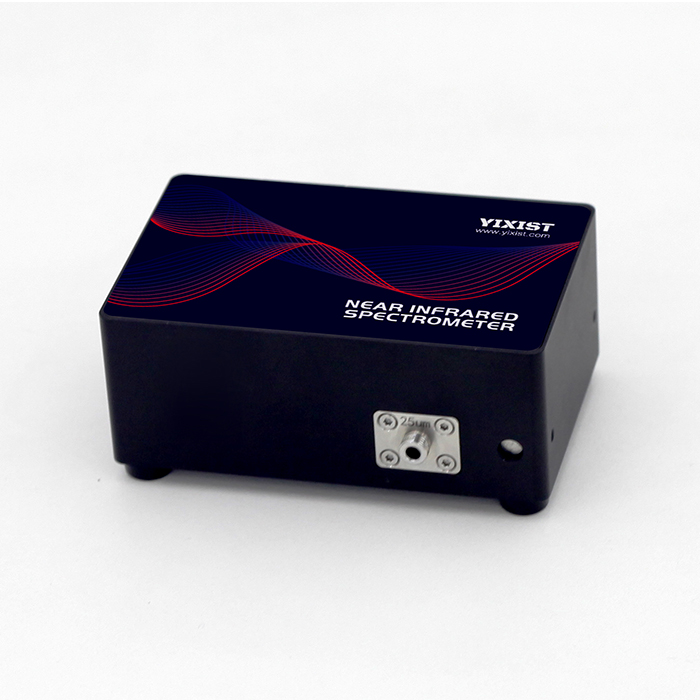
YIXIST Technology Co., Ltd. stands at the forefront of optical measurement technology as a leading innovator in intelligent equipment manufacturing. Founded by expert professors and engineers, YIXIST integrates professionalism, concentration, and integrity into their operations. With proprietary technologies in spectral and light measurement, YIXIST excels in producing high-performance optoelectronic analysis tools and training equipment, serving industries worldwide. Committed to delivering tailored solutions, YIXIST remains a premier supplier in the spectrometry sector, meeting diverse customer needs globally.
Post time: 2024-11-03 16:16:02