

Technological Advancements and R&D Investment
Innovative Development in CMOS Sensors
The CMOS camera manufacturing industry faces ongoing challenges in keeping up with rapid technological advancements. Manufacturers must continually invest in research and development to design and produce innovative products, meeting consumer demands for high-quality imaging capabilities. This involves developing sensors that offer superior performance in various lighting conditions and higher resolution, requiring significant investment in cutting-edge technology and materials.
Balancing Cost with Advancement
Investment in research and development is crucial yet costly. Manufacturers must strike a balance between innovation and maintaining cost-effectiveness to remain competitive. Companies must evaluate and strategize their investment in new technologies to ensure that they are financially sustainable while also pushing the envelope with high-quality imaging solutions.
Demand for High-Resolution and Low-Light Performance
Consumer Expectations and Technological Limitations
Consumers expect high-resolution images and excellent low-light performance from modern CMOS cameras. This demand pressures manufacturers to produce sensors that can capture high-quality images in various environments, from bright daylight to dimly lit settings. Manufacturers face the dual challenge of pushing the limits of sensor technology and accommodating these expectations while maintaining cost efficiency.
Technical Challenges in Sensor Development
Developing sensors that deliver high resolution and excellent low-light performance involves overcoming technical challenges, such as managing heat dissipation and improving quantum efficiency. These factors directly impact sensor performance and image quality, requiring advanced engineering solutions to enhance capabilities without compromising functionality or cost.
Miniaturization of Image Sensors
Trend Towards Smaller Devices
With the growing trend towards smaller and more portable devices, CMOS camera manufacturers must focus on miniaturizing image sensors without sacrificing performance. This miniaturization is crucial for the integration of high-quality cameras in smartphones, drones, and other compact devices. The challenge lies in maintaining the sensor's sensitivity and image quality while reducing its size.
Impact on Manufacturing Processes
Shrinking sensor sizes imposes additional complexity on manufacturing processes. Precision and accuracy become even more critical, demanding that manufacturers adopt new technologies and methodologies to achieve miniaturization effectively. These adaptations often require significant upgrades to factory equipment and processes, driving up costs and affecting production timelines.
Cost-Effective Manufacturing Processes
Balancing Quality and Affordability
The demand for high-quality yet affordable CMOS cameras is a significant challenge. Manufacturers must continuously refine their production techniques to reduce costs while maintaining the quality and reliability of their products. This involves optimizing supply chains and manufacturing processes to minimize waste and maximize efficiency.
Innovative Production Strategies
To meet cost and quality demands, manufacturers often explore innovative production strategies such as automation and advanced materials. These strategies can significantly reduce production costs and improve efficiency, allowing manufacturers to deliver high-quality products at competitive prices. However, they also require upfront investments and careful planning to implement effectively.
Supply Chain and Component Sourcing
Challenges in Supplier Management
CMOS camera manufacturers rely on a complex network of suppliers for various components. Managing this supply chain effectively is a critical challenge. Disruptions in supply, variations in component quality, or delays can all significantly impact production schedules and costs. Manufacturers must establish reliable relationships with suppliers to ensure timely and consistent component delivery.
Global Supply Chain Vulnerabilities
Global supply chains are prone to various risks, including geopolitical tensions, natural disasters, and pandemics. These factors can lead to component shortages or increased costs, affecting manufacturers' ability to maintain production and meet market demands. Manufacturers must develop strategies to mitigate these risks, such as diversifying their supplier base or increasing inventory levels.
Competition with Emerging Technologies
Pressure from Alternative Imaging Technologies
Emerging imaging technologies present significant competition to CMOS cameras. Technologies such as CCD (Charge-Coupled Device) sensors and other novel imaging solutions offer unique advantages, pressuring CMOS manufacturers to enhance their products continually. Manufacturers must stay ahead by innovating and improving their sensors' performance and functionality.
Market Adaptation Strategies
To remain competitive, CMOS camera manufacturers must adapt to the evolving market landscape. This involves monitoring technological trends, investing in cutting-edge research, and developing products that offer distinct advantages over competing technologies. Such strategic foresight is essential for maintaining market relevance and achieving sustainable business growth.
Integration with Artificial Intelligence Systems
Enhanced Functionality and Image Processing
Artificial Intelligence (AI) integration is becoming a crucial aspect of modern CMOS cameras, enhancing image processing and functionality. Manufacturers face challenges in developing sensors that can seamlessly integrate with AI systems, providing advanced features such as real-time image analysis, object recognition, and improved autofocus.
Technical and Developmental Obstacles
Integrating AI capabilities into CMOS cameras poses technical and developmental obstacles. Manufacturers must invest in sophisticated software algorithms and hardware that can support AI functionalities without compromising performance or cost. This requires a collaborative effort between software and hardware teams to design solutions that meet consumer expectations and technical feasibility.
Environmental and Regulatory Compliance
Adhering to International Standards
CMOS camera manufacturers must comply with stringent environmental and regulatory standards across different markets. This includes ensuring that their products meet safety, environmental, and quality standards, which adds complexity and cost to the manufacturing process. Non-compliance can lead to penalties, product recalls, and reputational damage.
Implementing Sustainable Practices
To address environmental concerns, manufacturers need to implement sustainable practices in their production processes. This includes using eco-friendly materials, reducing waste, and improving energy efficiency. While these practices can enhance the brand image and reduce regulatory risks, they also require investments in technology and process improvements.
Consumer Privacy and Security Concerns
Maintaining Data Privacy
With the increasing integration of cameras in connected devices, consumer privacy and data security have become critical concerns. Manufacturers face the challenge of ensuring that their cameras do not compromise user data, requiring robust security features and privacy controls in their products.
Designing Secure Imaging Solutions
Designing secure imaging solutions involves implementing encryption, secure data storage, and user authentication measures within the camera systems. These security features must be seamlessly integrated into the camera's hardware and software without impacting performance or usability, necessitating meticulous engineering and design efforts.
Customization for Diverse Applications
Meeting Varied Market Needs
The CMOS camera market is diverse, with applications ranging from consumer electronics to automotive and medical devices. Manufacturers must customize their products to meet the specific needs of different market segments, requiring flexibility and adaptability in design and production processes.
Challenges in Product Diversification
Diversifying product offerings to cater to various applications presents significant challenges. Manufacturers must develop a range of sensors with different specifications and features, which can complicate production and increase costs. Effective market analysis and strategic planning are essential to successfully navigate these challenges and deliver high-quality, tailored solutions to different industries.
YIXIST Provide Solutions
YIXIST specializes in overcoming the challenges faced by CMOS camera manufacturers by offering innovative solutions tailored to industry needs. By focusing on research and development, sustainable practices, and sophisticated AI integration, YIXIST helps manufacturers maintain high-quality standards while optimizing cost-effectiveness. Our expertise in supply chain management and secure design ensures reliable and secure imaging solutions that meet regulatory standards and consumer expectations. Partner with YIXIST to leverage cutting-edge technology and strategic insights for a competitive advantage in the imaging market.
User hot search: CMOS camera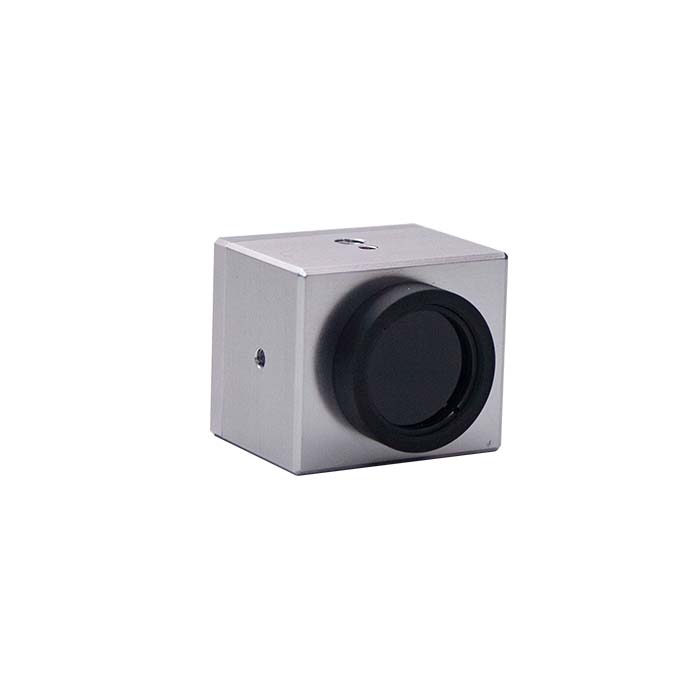
Post time: 2025-12-13 01:34:04