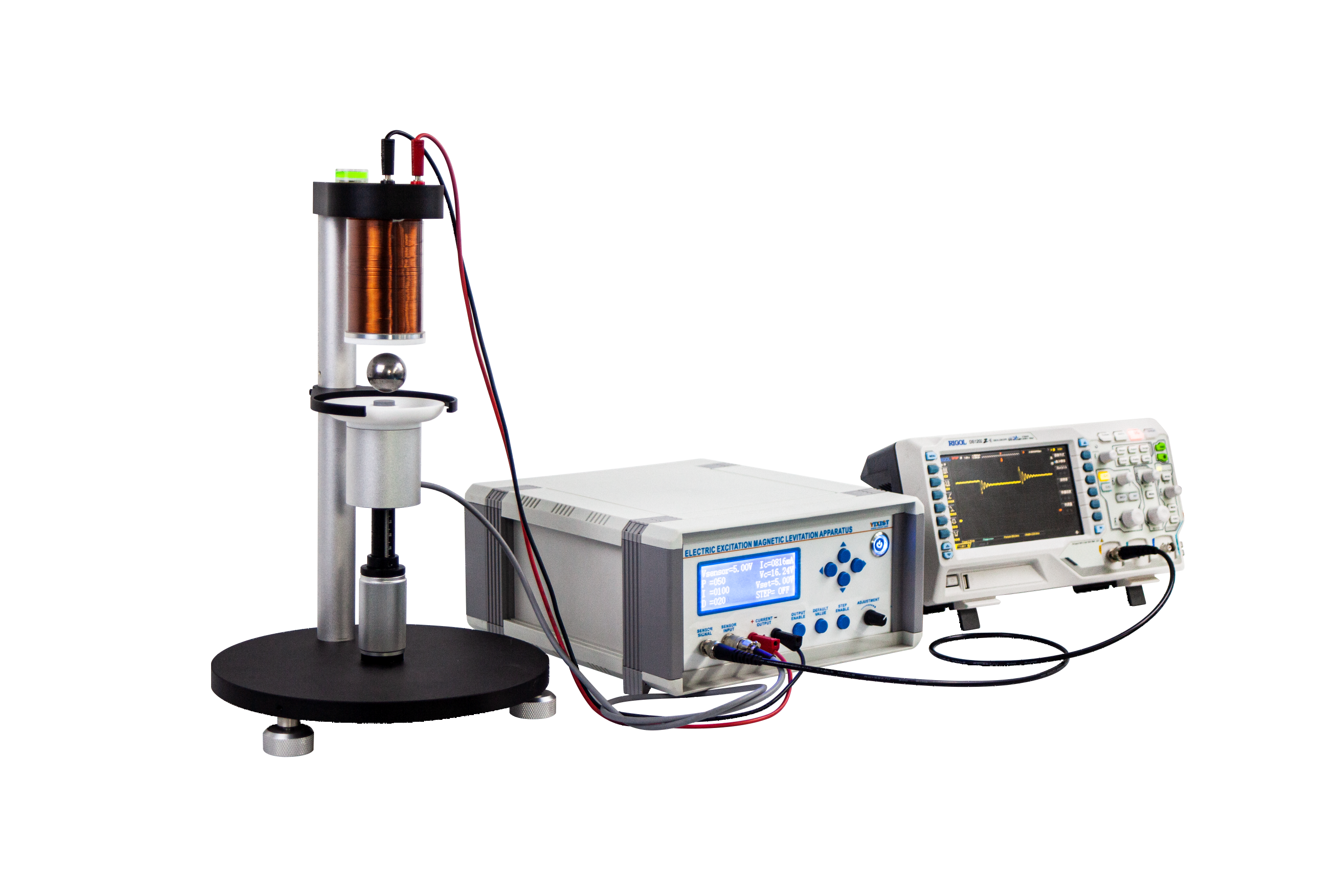
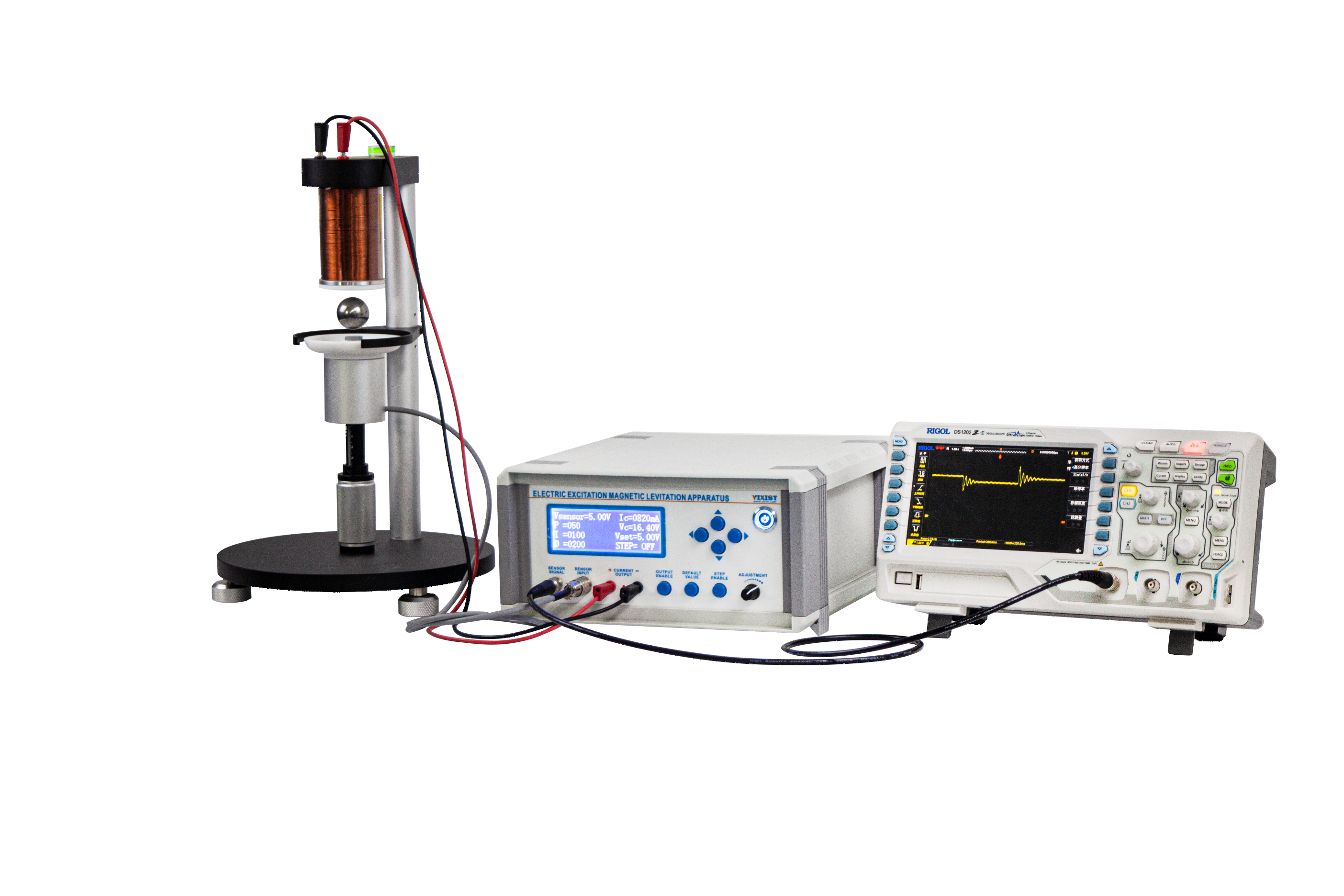
YGP-6252 # Magnetic Levitation Experiment
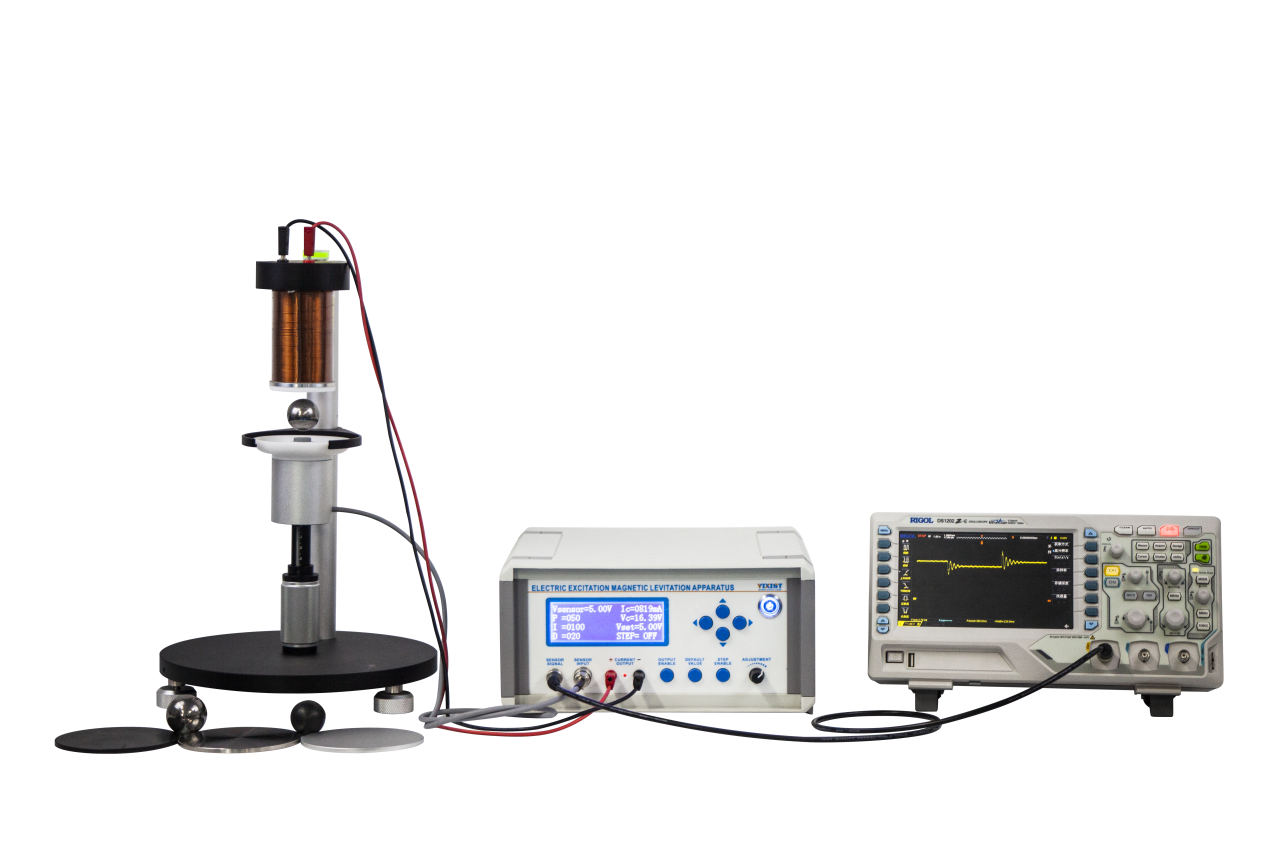
Magnetic levitation technology is a quintessential mechatronic discipline, integrating electromagnetism, electronic technology, control engineering, signal processing, and dynamics. The advancement of electronic technology, control engineering, signal processing, electromagnetic theory, and novel electromagnetic materials has propelled magnetic levitation technology forward, enabling its widespread application in numerous fields. These include maglev trains, active magnetic bearings, magnetic levitation balances, magnetic levitation transport equipment, magnetic levitation measuring instruments, and magnetic levitation robotic wrists, with maglev trains being the most prominent example. The operation of a maglev train primarily comprises levitation and propulsion subsystems. This experiment focuses on the levitation subsystem and its control. The experimental setup facilitates large-range adjustable stable magnetic levitation, which eliminates external force interference during testing and allows for accurate measurement of system equilibrium characteristics. The PID control parameters are independently adjustable, offering users a responsive engineering prototype platform conducive to learning about the most prevalent control strategy in automation: PID control.
Experiments
- - Comprehend methodologies for magnetic circuit analysis to perform simplified system magnetic force calculations.
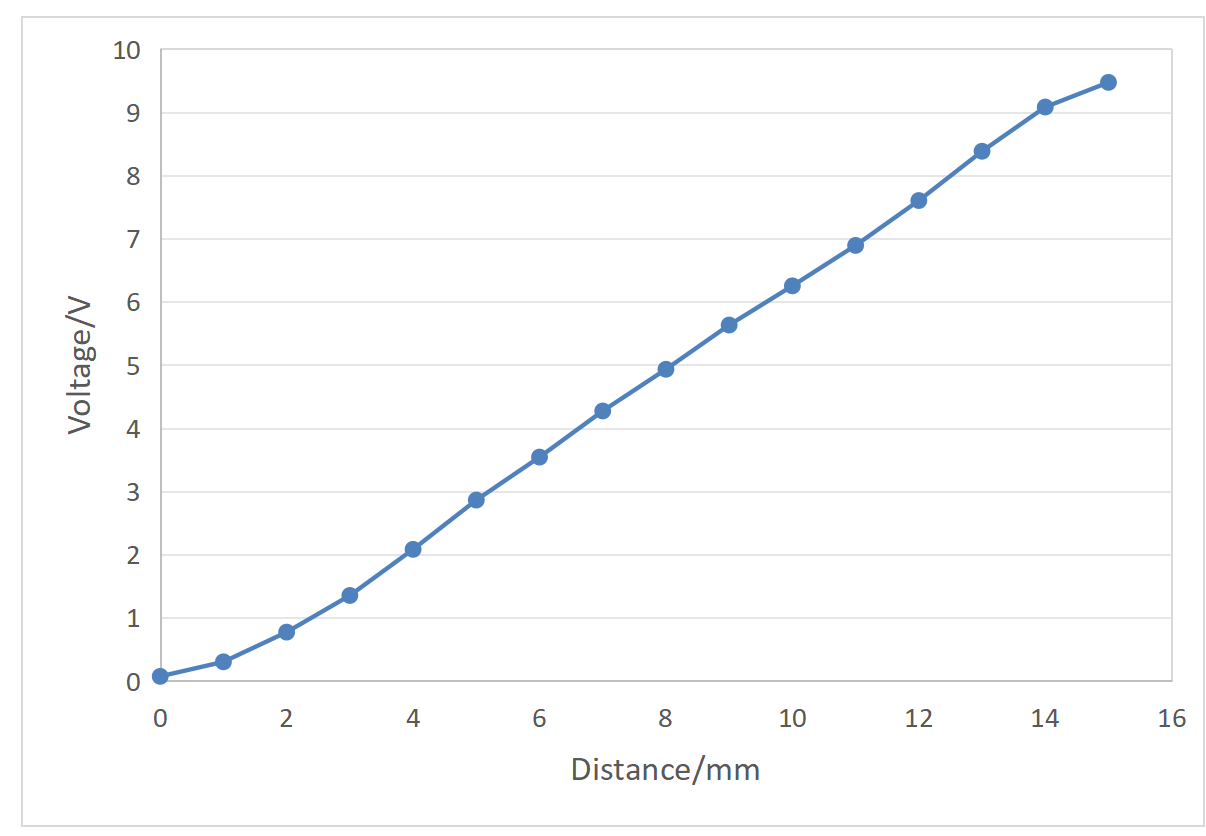
- Understand the operational principles of eddy current displacement sensors and characterize their output behavior.
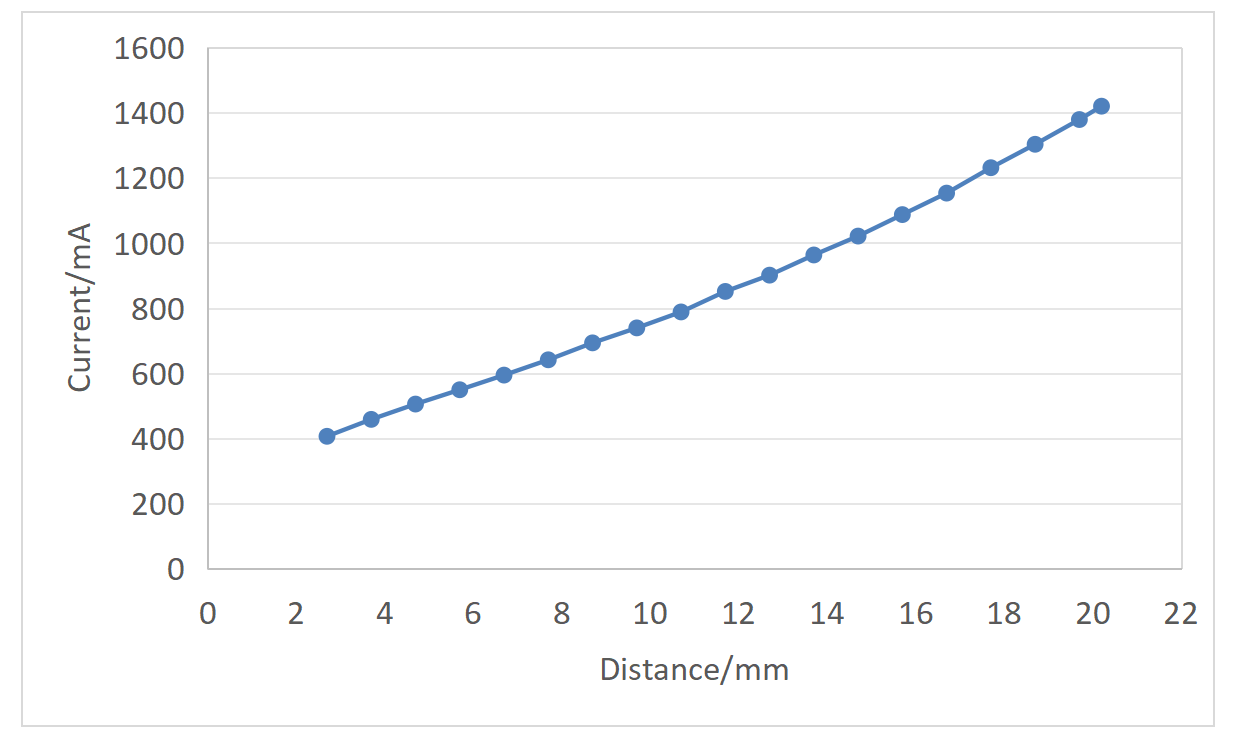
- Under suspended conditions, assess the equilibrium characteristics of a steel ball, investigating the interdependencies between magnetic force, current, and gap distance.
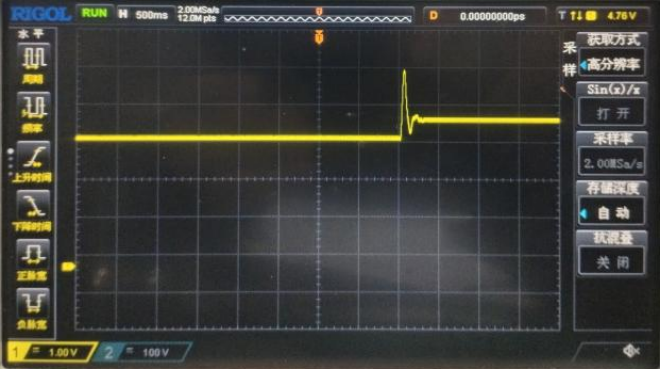
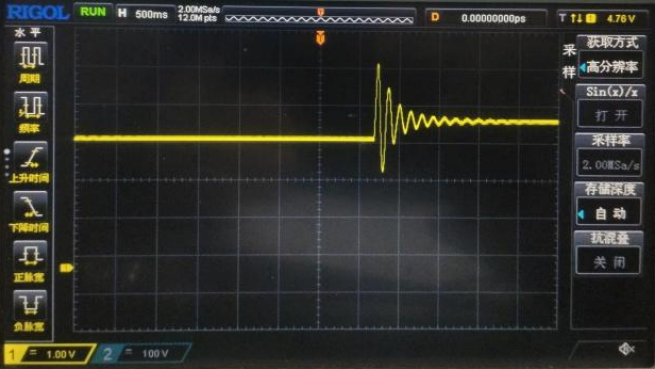
- Acquire knowledge of PID control principles for magnetic levitation and elucidate the influence of individual P, I, and D parameter adjustments on levitation control performance.
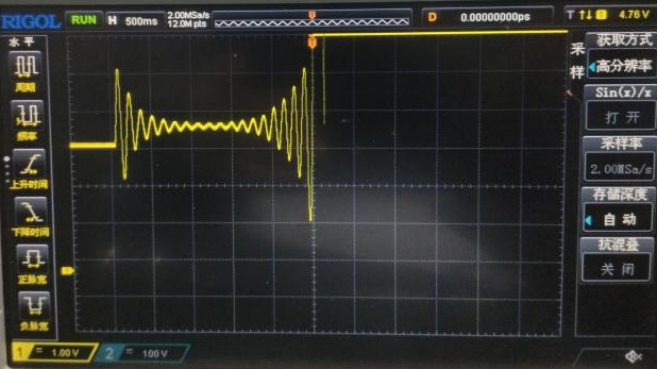
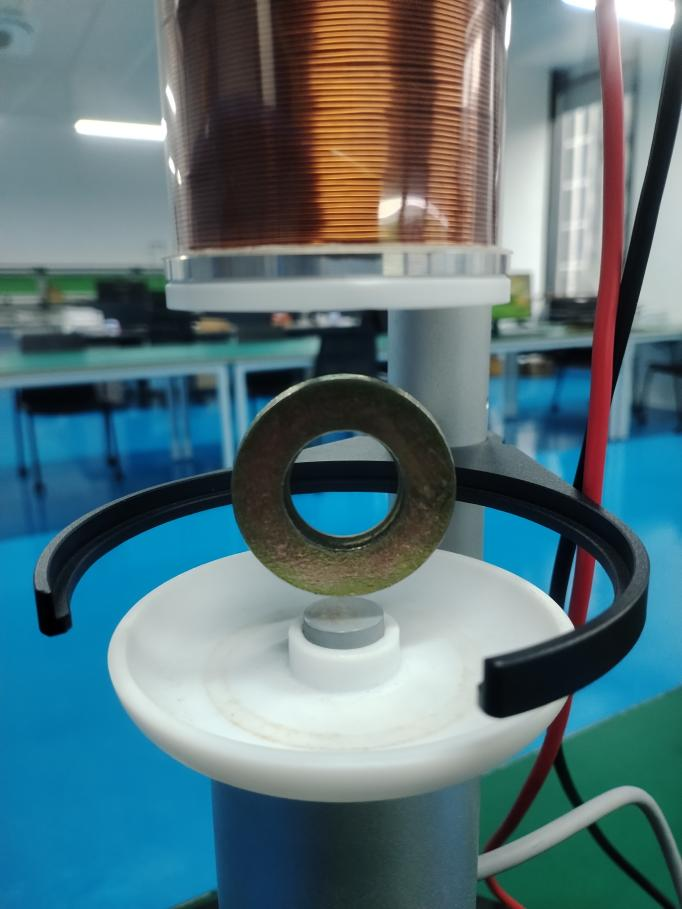
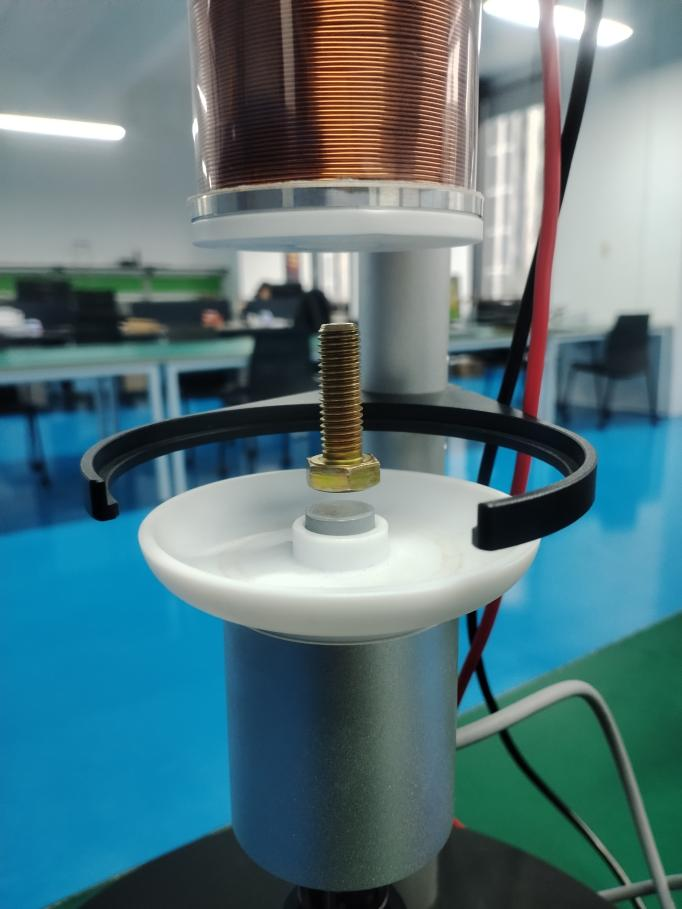
- Demonstrate automatic control of levitation height and present a demonstration of levitating irregularly shaped objects.
Features
- - Utilizes eddy current position sensors for stable levitation height control.
- Employs PID control technology for precise and stable levitation accuracy.
- Generates magnetic fields using electromagnets, with high-speed dynamic adjustments to field strength based on feedback position information.
- Achieves a precisely stable levitation gap, suitable for high-precision control applications.
- All levitation parameters are adjustable, facilitating student comprehension of magnetic levitation principles.
- Demonstrates levitation of irregularly shaped objects, offering significant expandability and engaging novelty.